
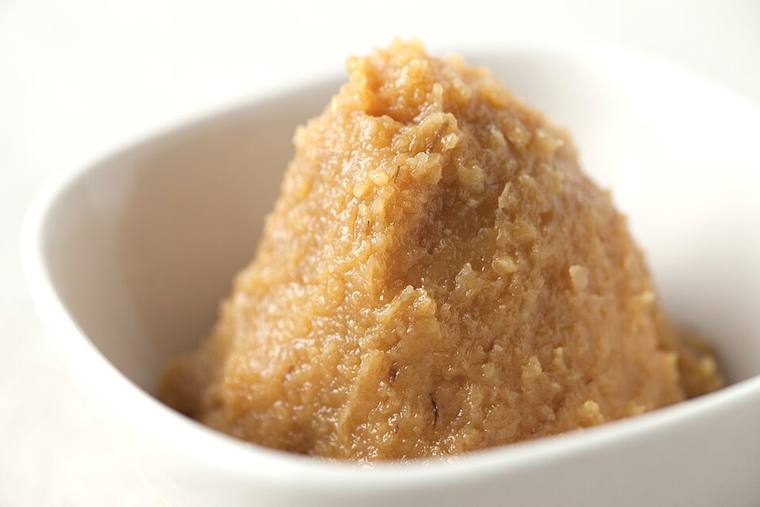
Miso
Rice, barley, and soybean miso across regional styles and ages — from light, sweet shiro to deep, savory aka — fermented by heritage makers.
Format: tubs, sachets, foodservice pailsFood category
Miso, soy sauce, vinegars, dashi, and specialty seasonings — sourced with ingredient labeling and shelf-life planning.
Overview
We source miso, soy sauce, vinegars, dashi, and specialty seasonings, with ingredient and allergen labeling and export shelf-life planning.
Sub-categories
Rice, barley, and soybean miso across regional styles and ages — from light, sweet shiro to deep, savory aka — fermented by heritage makers.
Format: tubs, sachets, foodservice pails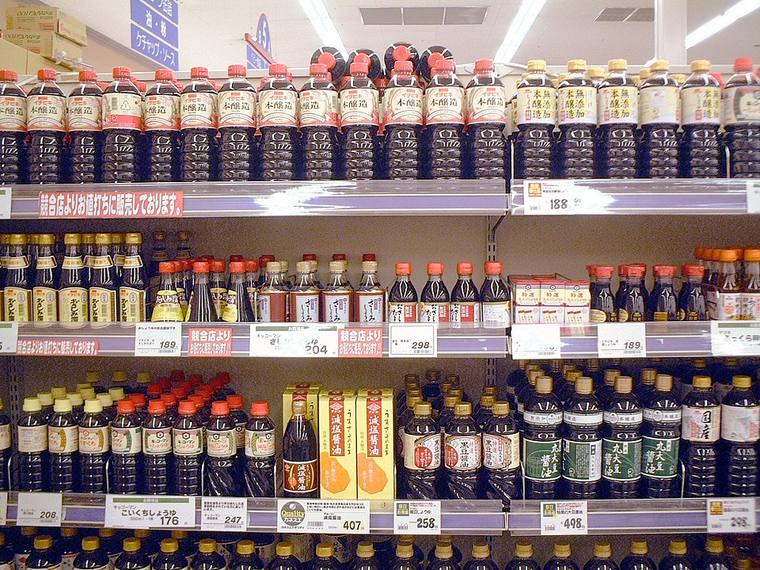
Koikuchi and usukuchi, plus barrel-aged artisanal shoyu with depth no mass product matches — the cornerstone of Japanese seasoning.
Note: cedar-barrel aged options available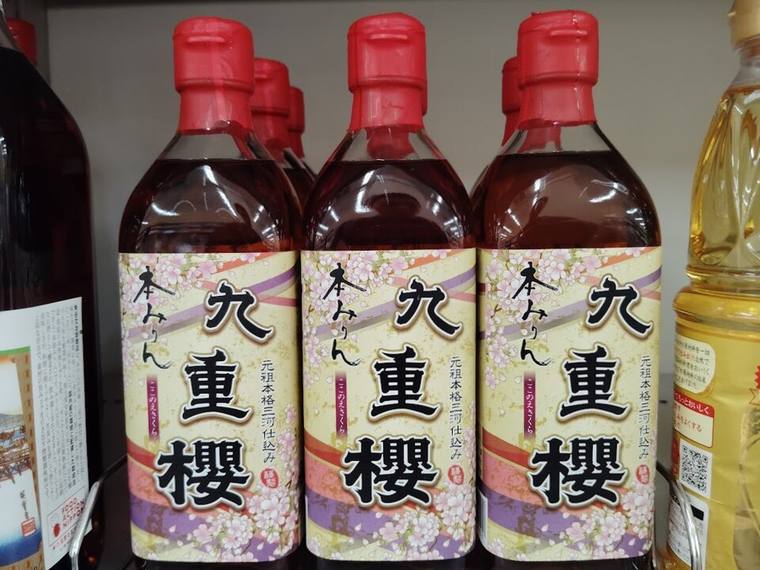
Rice vinegar, aged black vinegar, and true hon-mirin — the acids and sweetness that balance Japanese cooking, in authentic grades.
Note: genuine hon-mirin, not substitutes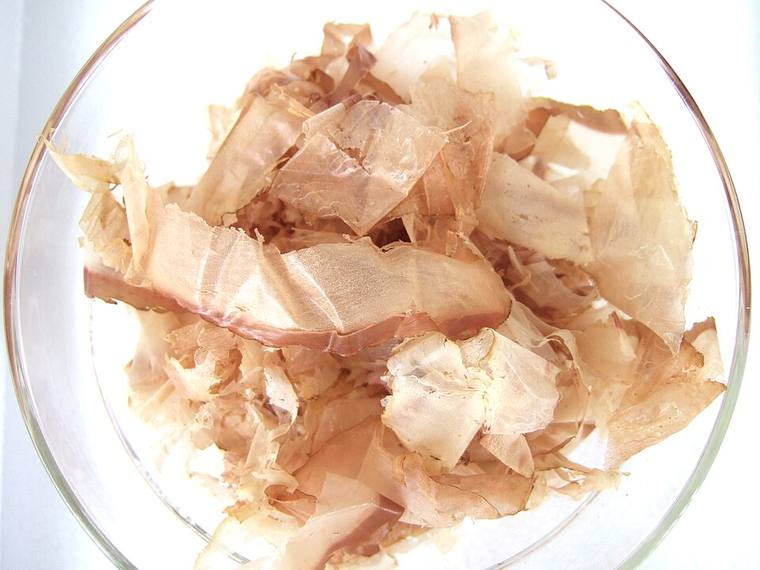
Katsuobushi (bonito), kombu, and ready-to-use dashi bases — the umami foundation of Japanese cuisine, in chef and retail formats.
Format: powder, liquid concentrate, packs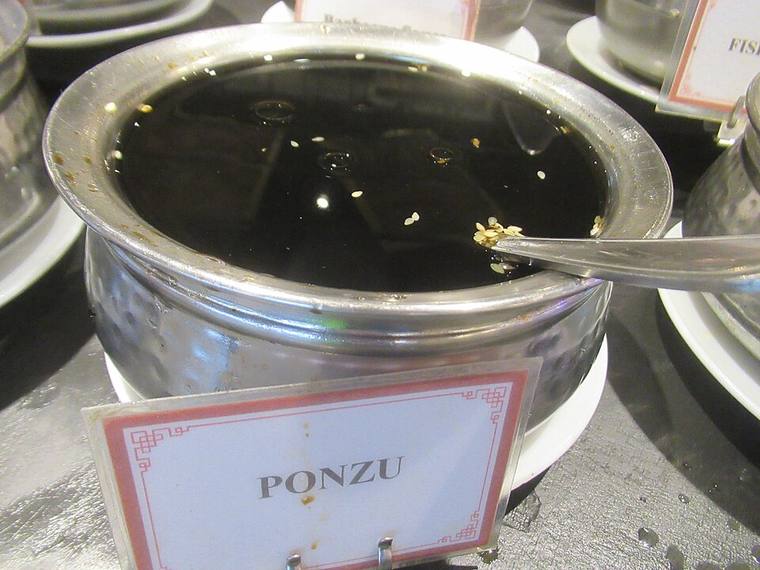
Citrus ponzu, tare, and finishing sauces — ready-made flavor for foodservice speed without losing authenticity.
Best for: foodservice, ready-meal makers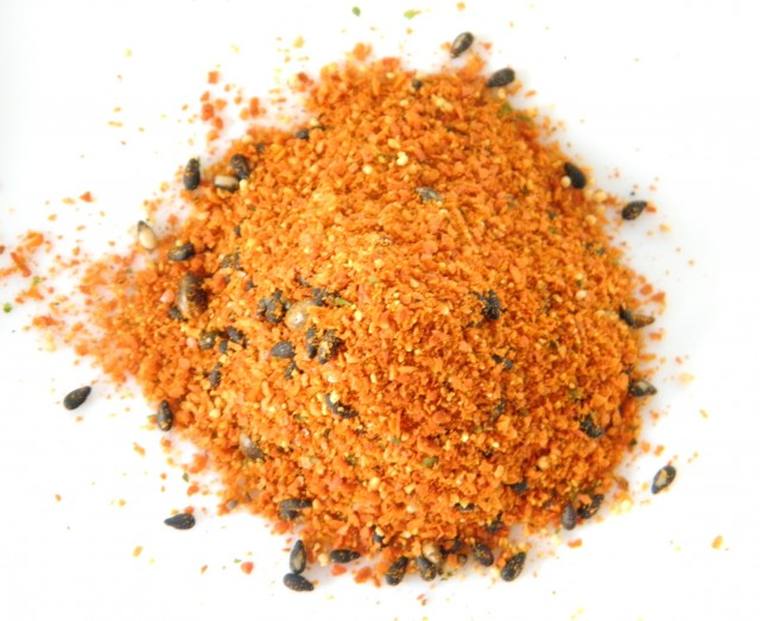
Yuzu kosho, furikake, shichimi togarashi, and specialty salts — the finishing touches that signal genuine Japanese flavor.
Format: retail jars, bulk foodserviceCondiment photography via Wikimedia Commons — Soy-sauce brewery & mirin © Asturio Cantabrio (CC BY-SA 4.0); Miso (CC0); Soy sauce © Kanesue (PD); Katsuobushi © Sakurai Midori (CC BY-SA 3.0); Ponzu (CC BY-SA 4.0); Shichimi (CC0).
What we source
Representative categories include miso and soy sauce, vinegars and mirin, and dashi and specialty seasonings — with allergen labeling and shelf-life documentation.
Why source pantry & condiments from Japan
Japan's mastery of koji mould is the root of miso, shoyu, and umami itself.
Centuries-old makers guard distinct recipes by region and family.
Barrel aging — sometimes for years — builds flavor no shortcut can match.
Japan cuisine × BloomSource
Long before the word 'umami' was coined in a Tokyo laboratory, Japanese kitchens had already built a cuisine around it. Koji — the noble mould behind miso, soy sauce, mirin, and sake — is the quiet engine of Japanese flavor, coaxing depth from soybeans and rice through patient fermentation. Many makers still age their miso and shoyu in cedar barrels passed down for generations.
BloomSource brings these foundations to the world's kitchens. We source heritage fermenters and regional house styles, handle ingredient and allergen labeling, and plan export shelf-life — so chefs and retailers abroad can cook with the real building blocks of Japanese taste.
Sourcing & handling
Verified grading, origin certificates, and producer traceability.
Temperature-controlled handling from source to destination port.
HACCP-aligned handling with health and phytosanitary documentation.
Ingredient, allergen, and destination-market label preparation.
Retail, foodservice, and bulk export packaging.
Flexible minimums and planned lead times for repeat orders.
FAQ
Miso, soy sauce (shoyu), mirin, rice vinegar, dashi, ponzu, and specialty seasonings such as shichimi and yuzu kosho, from artisan and established makers.
Most pantry condiments are shelf-stable and ship at ambient temperature, which makes them efficient to consolidate and cost-effective to import in volume.
Yes. We source traditionally and naturally brewed soy sauce and miso, and can prioritize additive-free or organic lines where available.
We prepare ingredient, allergen, and destination-market labeling and support the documentation your import authority requires.
Yes. Private-label and OEM arrangements are possible for many pantry lines — share your specification, format, and volume and we will identify suitable producers.
Start with a category brief