Ceremonial Matcha
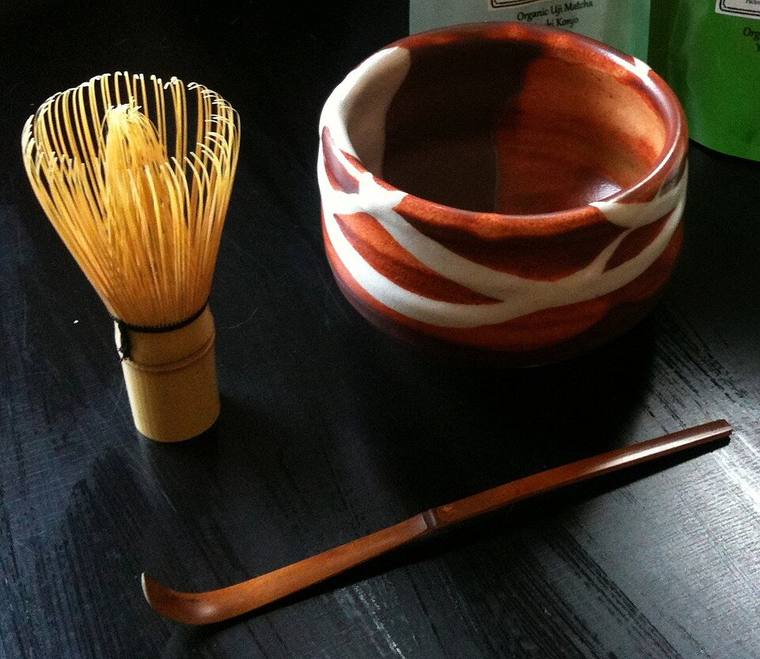
Stone-milled, shade-grown tencha of the highest grade — vivid green, smooth, and umami-rich, made for whisking in the traditional way.
Best for: tea ceremony, premium cafésFood category
Ceremonial and culinary matcha, sencha, gyokuro, and hojicha — sourced by grade, harvest, and origin for export.
Overview
We source ceremonial and culinary matcha and leaf teas by grade and harvest, with origin documentation and retail- or foodservice-ready packaging.
Sub-categories
Stone-milled, shade-grown tencha of the highest grade — vivid green, smooth, and umami-rich, made for whisking in the traditional way.
Best for: tea ceremony, premium cafés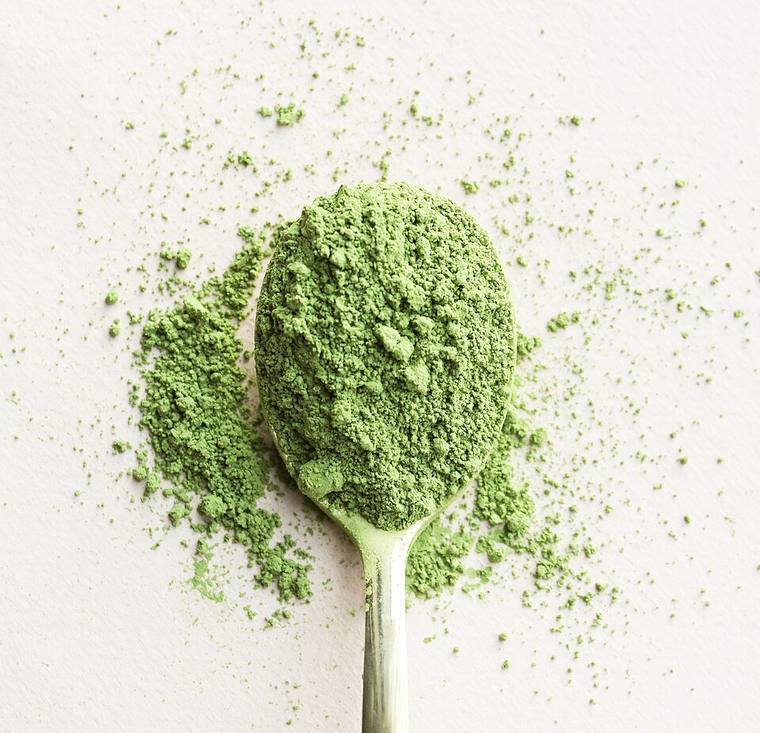
Robust, vibrant grades built to hold their color and flavor in lattes, baking, and ice cream — value and consistency at foodservice scale.
Best for: lattes, baking, foodservice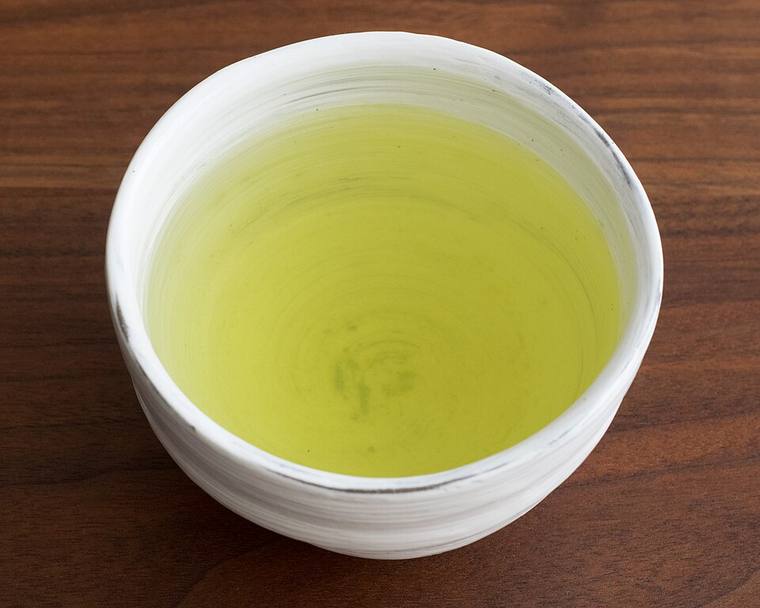
Steamed green tea — Japan's everyday classic — fresh, grassy, and bright, sourced by harvest and region for a clean, dependable cup.
Harvest: first-flush (ichibancha) available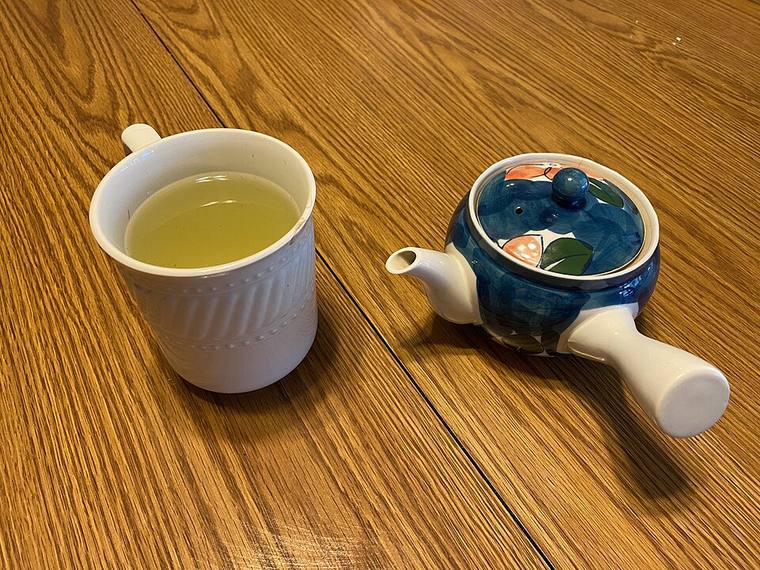
Shaded for weeks before harvest for a deep, savory umami and low astringency — the connoisseur's green tea, prized and limited.
Best for: specialty tea retail, gifting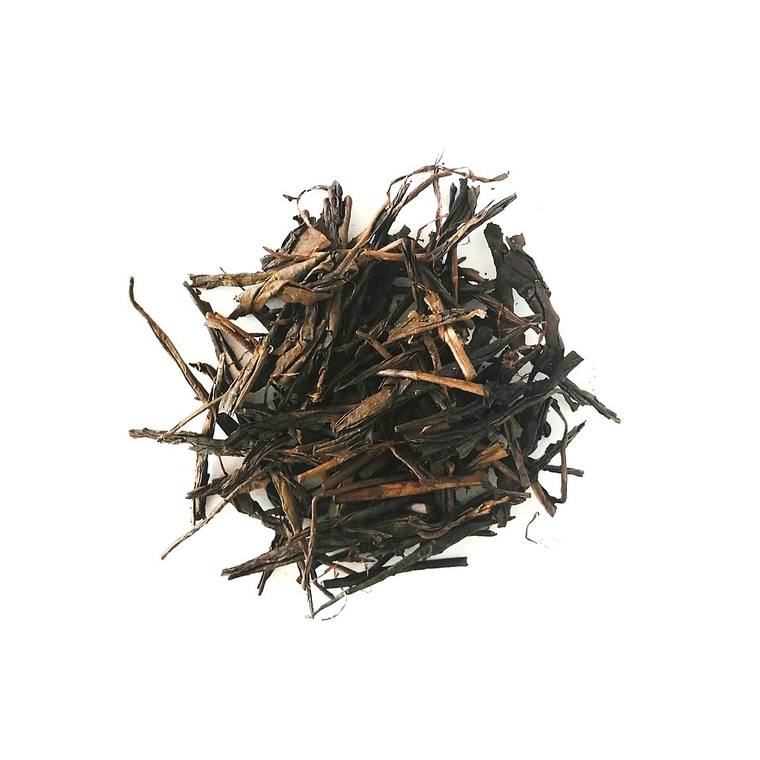
Roasted green tea, warm and toasty with naturally low caffeine — comforting, food-friendly, and increasingly popular abroad.
Best for: evening service, caffeine-sensitive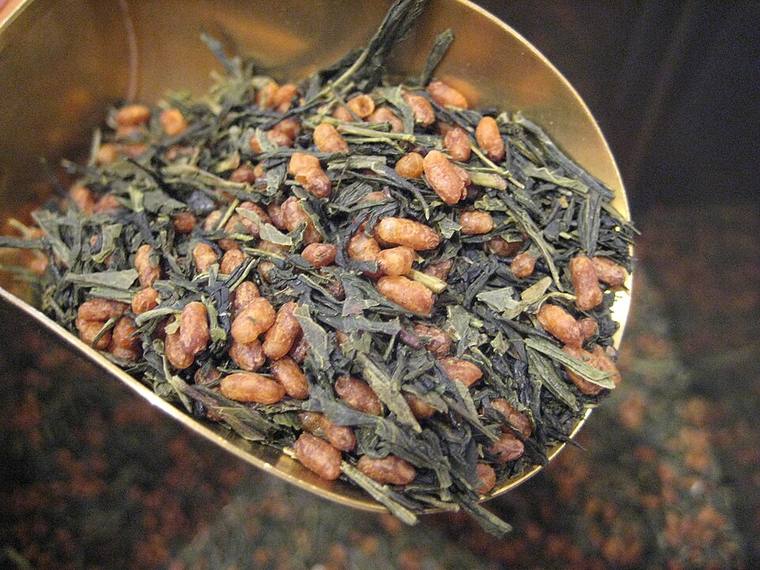
Toasted-rice genmaicha and seasonal blends offer nutty, approachable flavor — an easy entry point for new tea drinkers.
Best for: retail blends, casual diningTea photography via Wikimedia Commons — Tea field © Σ64 (CC BY 3.0); Ceremonial matcha © Kaminix (CC BY 3.0); Culinary matcha © Evanhoever (CC BY-SA 4.0); Sencha (PD); Gyokuro © Washing Machine (CC0); Hojicha © Francois Mathieu (CC BY-SA 4.0); Genmaicha © Selena N. B. H. (CC BY 2.0).
What we source
Representative categories include ceremonial and culinary matcha, sencha and gyokuro, and hojicha and genmaicha — with grade and origin documentation.
Why source tea from Japan
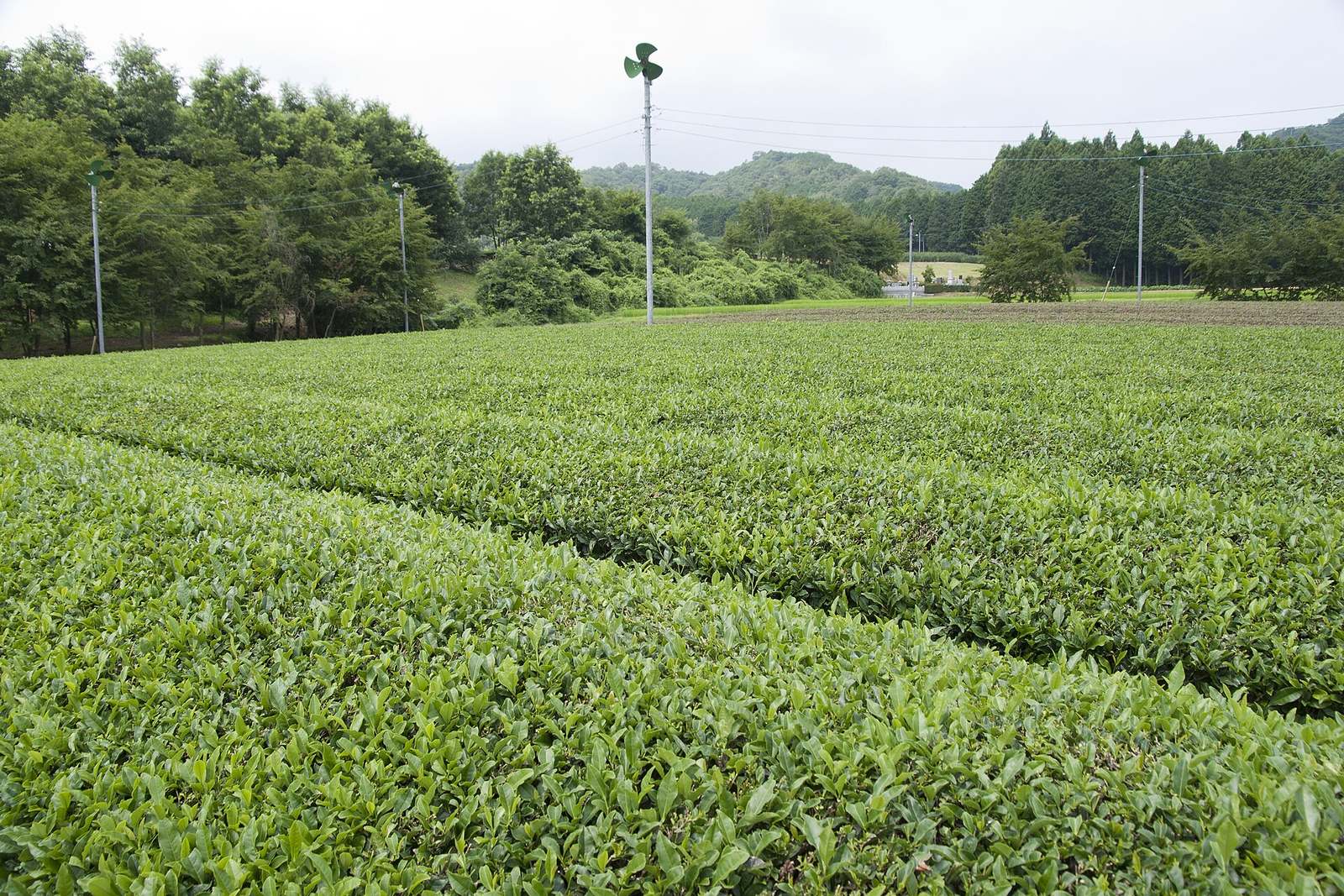
Historic growing regions like Uji and Yame define grade and flavor.
Weeks of shading before harvest build matcha's umami and color.
Slow granite milling and cold storage protect aroma and vibrancy.
Japan cuisine × BloomSource
Tea in Japan is more than a drink — it is chanoyu, a centuries-old discipline of hospitality, presence, and care. In the hills of Uji, where the practice was refined, growers still shade their fields by hand and mill matcha on granite stones turning slow enough to keep the leaf from scorching. Every grade, from ceremonial to culinary, carries that intention.
BloomSource sources tea the way it deserves to be handled — by grade, harvest, and origin, with documentation and freshness preserved from field to foodservice. We help cafés, retailers, and distributors build tea programs that taste of the place they came from.
Sourcing & handling
Verified grading, origin certificates, and producer traceability.
Temperature-controlled handling from source to destination port.
HACCP-aligned handling with health and phytosanitary documentation.
Ingredient, allergen, and destination-market label preparation.
Retail, foodservice, and bulk export packaging.
Flexible minimums and planned lead times for repeat orders.
FAQ
Ceremonial matcha is made from the youngest leaves, stone-ground to a fine, vibrant powder for drinking straight. Culinary matcha is a robust grade for lattes, baking, and food manufacturing. We supply both by grade and origin such as Uji and Nishio.
Yes. We source culinary and ingredient-grade matcha in bulk formats for beverage, bakery, and confectionery producers, with consistent color and flavor specifications.
Sencha, gyokuro, hojicha, genmaicha, and kabusecha, sourced by grade, harvest, and region, in loose-leaf and packaged formats.
Tea is packed to protect against light, moisture, and oxygen, with nitrogen-flush or foil options for longer shelf life, and labeled for your destination market.
Yes. We prepare food-safety, residue, and origin documentation to support import clearance and buyer requirements.
Start with a category brief