
Bluefin & Tuna
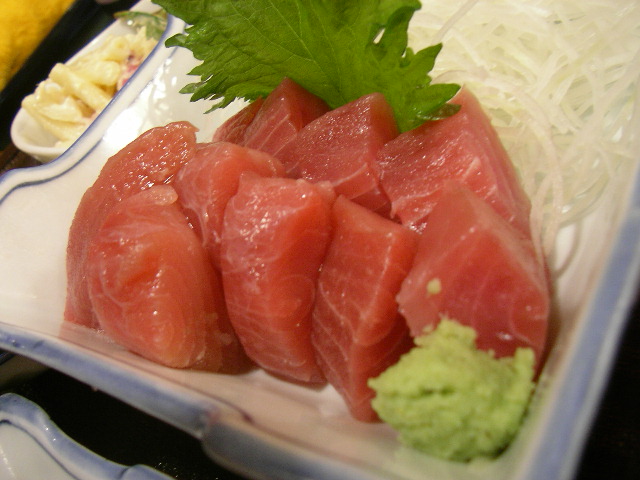
Hon-maguro (bluefin) graded for color and fat content — akami, chū-toro, and prized ō-toro belly. Handled by ikejime and held sashimi-grade from boat to buyer.
Best for: sushi bars, sashimi programsFood category
Sashimi-grade fish, scallops, uni, and cured roe — sourced with cold-chain handling and export certification.
Overview
We source sashimi-grade fish, shellfish, and cured roe with attention to freshness, HACCP-aligned handling, and destination-market certification.
Sub-categories
Hon-maguro (bluefin) graded for color and fat content — akami, chū-toro, and prized ō-toro belly. Handled by ikejime and held sashimi-grade from boat to buyer.
Best for: sushi bars, sashimi programs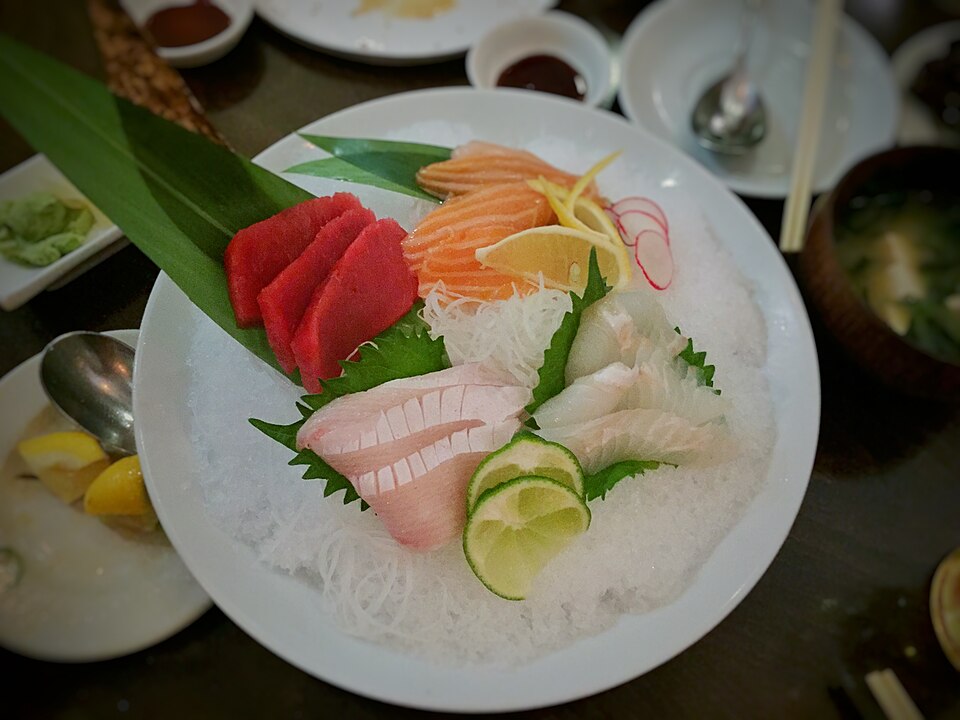
Hamachi and cold-season buri, prized for clean, firm flesh and balanced fat. A workhorse of premium Japanese seafood with year-round demand.
Season: peak quality in winter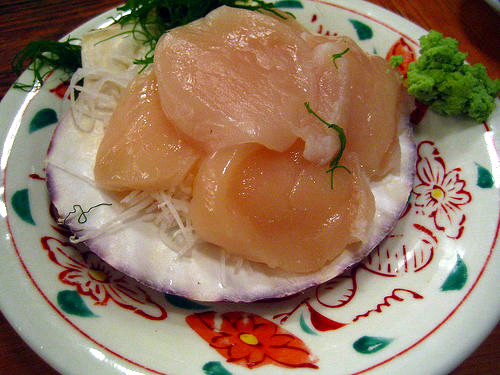
Hotate scallops from cold northern waters — sweet, plump, and sashimi-ready — alongside select clams and shellfish, frozen at peak freshness.
Format: half-shell, roe-on, IQF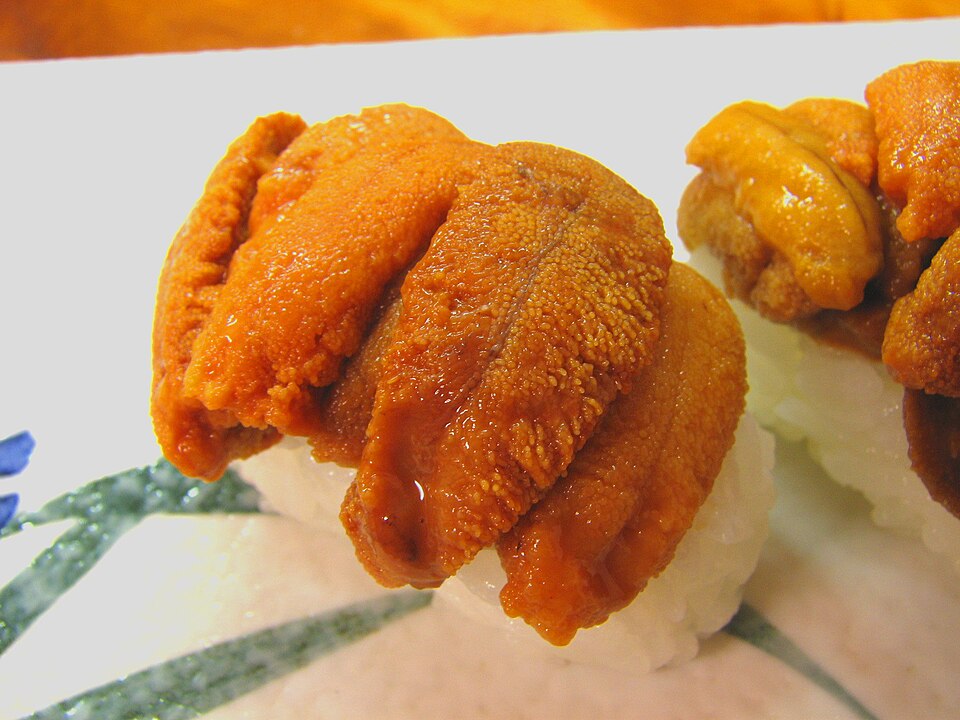
Bafun and murasaki uni graded by color, sweetness, and origin. A delicacy that rewards precise handling and an unbroken cold chain.
Best for: high-end sushi, tasting menus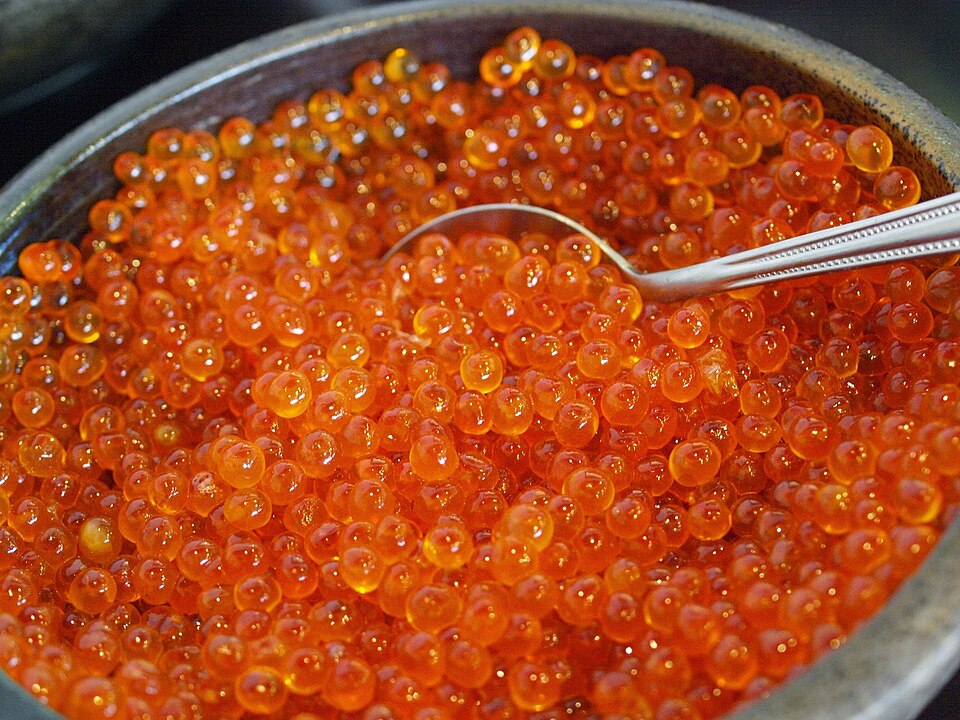
Ikura (salmon roe), tobiko, and cured roe for vivid, premium presentation — cured to traditional recipes and export-certified.
Format: brined, frozen, retail jars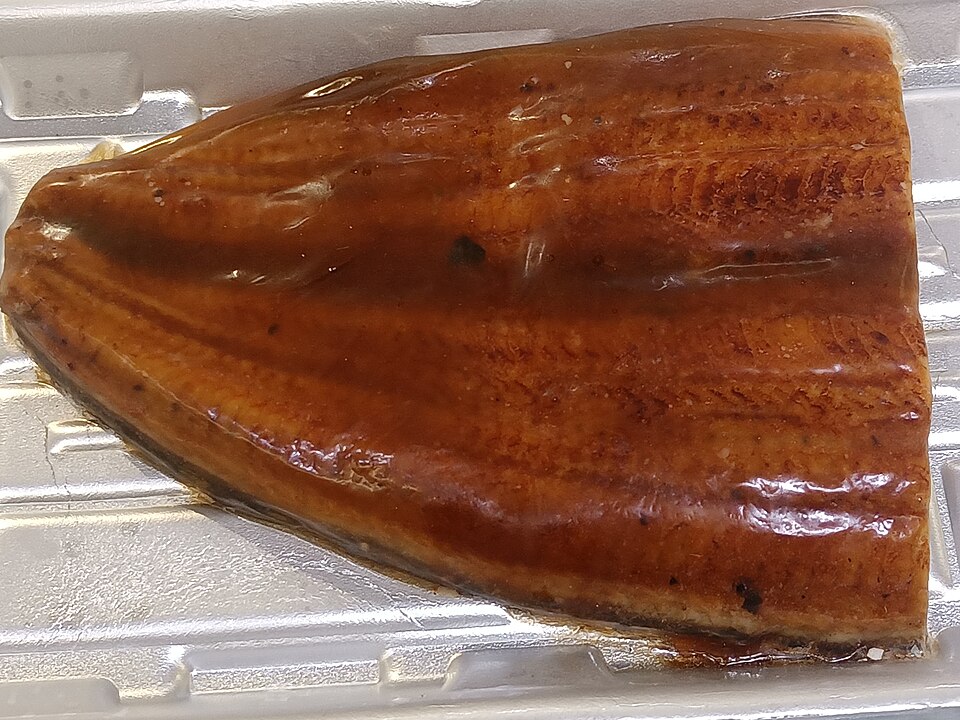
Unagi kabayaki, grilled and glazed to classic style, plus sustainably handled saba (mackerel) — ready-to-serve convenience with provenance.
Format: pre-cooked, frozen, portionedSeafood photography via Wikimedia Commons — Tuna © Hajime Nakano (CC BY 2.0); Yellowtail © T.Tseng (CC BY 2.0); Scallop © ayustety (CC BY-SA 2.0); Uni (CC BY-SA 3.0); Roe & Eel (CC0).
What we source
Representative categories include sashimi-grade tuna and yellowtail, scallops and uni, and cured roe and caviar — with frozen logistics and health certification.
Why source seafood from Japan
The world's most demanding fish market sets the standard we source to.
Traditional slaughter-and-bleed technique preserves texture and shelf life.
Defined fishing grounds and HACCP-aligned handling, port to port.
Japan cuisine × BloomSource
No cuisine reads the sea like Japan's. From the Edomae sushi of old Tokyo Bay to the concept of shun — eating each fish at its seasonal peak — Japanese seafood culture is built on respect for freshness and the fisherman's craft. Techniques like ikejime, developed over centuries, exist for a single purpose: to honor the catch and carry its quality to the table.
BloomSource brings that same respect to global trade. We source from defined coastal origins, hold the cold-chain without compromise, and prepare the certification your market requires — so buyers worldwide can serve seafood that tastes the way Japan intended.
Sourcing & handling
Verified grading, origin certificates, and producer traceability.
Temperature-controlled handling from source to destination port.
HACCP-aligned handling with health and phytosanitary documentation.
Ingredient, allergen, and destination-market label preparation.
Retail, foodservice, and bulk export packaging.
Flexible minimums and planned lead times for repeat orders.
FAQ
Sashimi-grade refers to seafood handled and frozen to a standard safe for raw consumption, with strict temperature control and rapid processing. We source and export seafood to this standard with the certification your market requires.
Yes. We coordinate chilled air freight for fresh product and ultra-low-temperature frozen logistics for tuna, uni, and roe, matching the method to your shelf-life and destination.
Every shipment is prepared with HACCP-aligned handling and the health, catch, and phytosanitary documentation needed for import clearance in your country.
Bluefin and other tuna, hotate scallops, uni (sea urchin), ikura and cured roe, and seasonal premium species — plus specialty items on request, subject to catch and season.
We work with established fisheries and suppliers that provide catch documentation and provenance, so you can verify origin and species for your buyers and regulators.
Start with a category brief