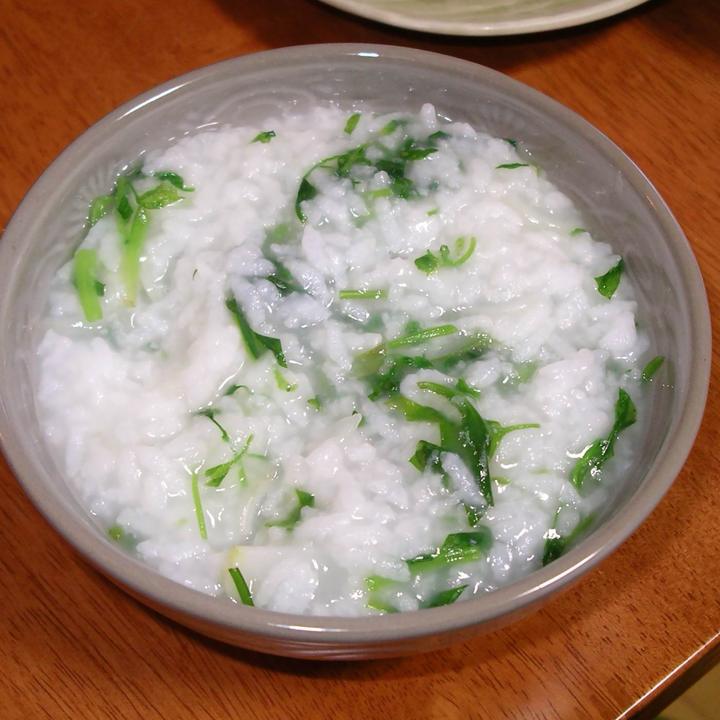
Rice Porridge (Okayu)
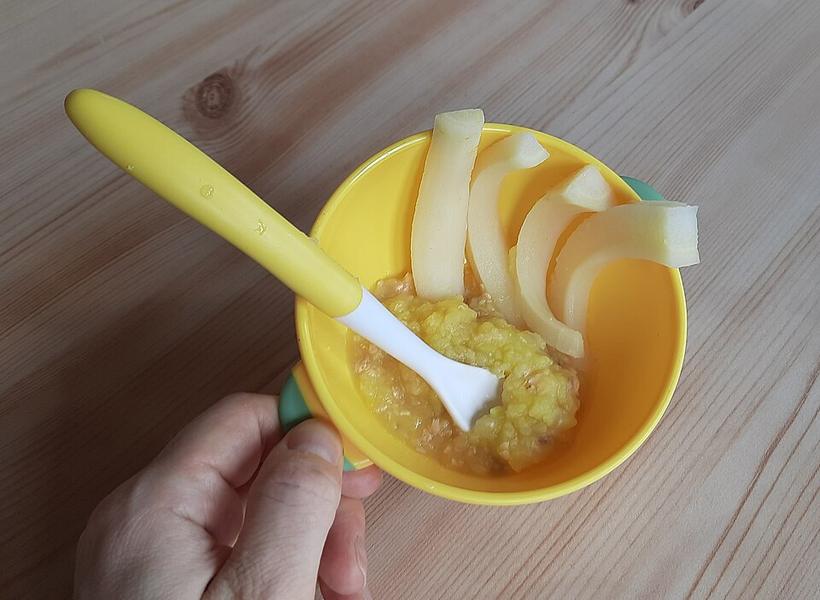
First-stage smooth rice porridge — the gentle introduction to solids, in jars, pouches, and instant formats.
Food category
First-stage rice porridge, tofu, baby snacks, purees, and shirasu — the safety-first baby foods Japan is trusted for, sourced and prepared for export.
Overview
Japanese baby food is prized for its meticulous safety standards, gentle low-salt recipes, and clear stage-based nutrition. We source it from established manufacturers and prepare grading, allergen labeling, and export documentation so importers, retailers, and pharmacies can offer it with confidence. Every product is chosen with the same scrutiny a Japanese parent would apply — checking ingredients, texture, and the age stage it is designed for.
What we can import
First-stage smooth rice porridge — the gentle introduction to solids, in jars, pouches, and instant formats.
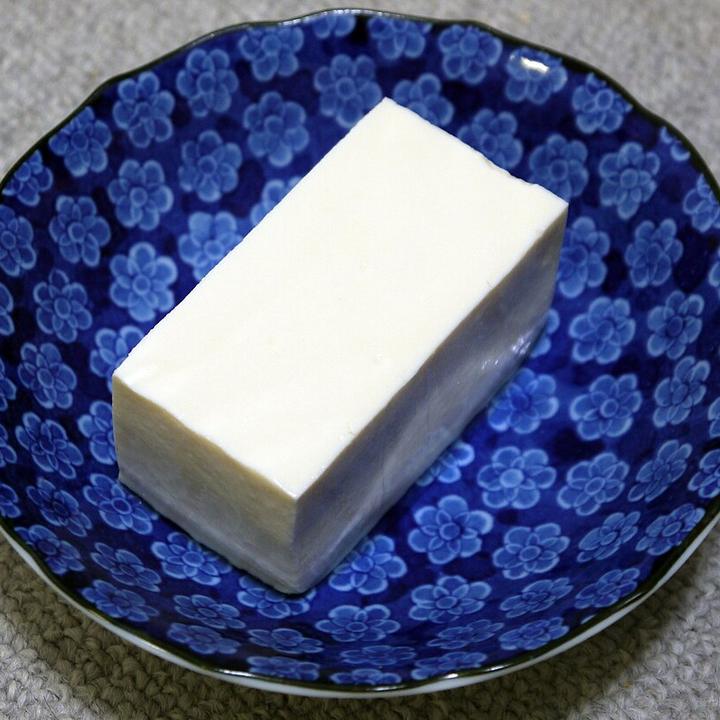
Silken tofu, koyadofu, and soft simmered dishes — gentle plant and fish proteins that mash easily for early eaters.
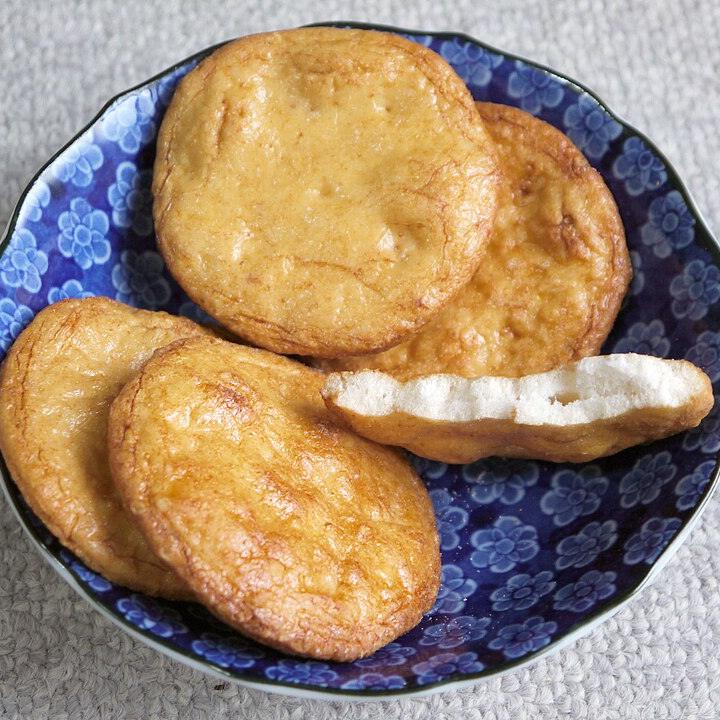
Melt-in-the-mouth rice crackers (akachan senbei), puffs, and wafers designed for little hands and gums.
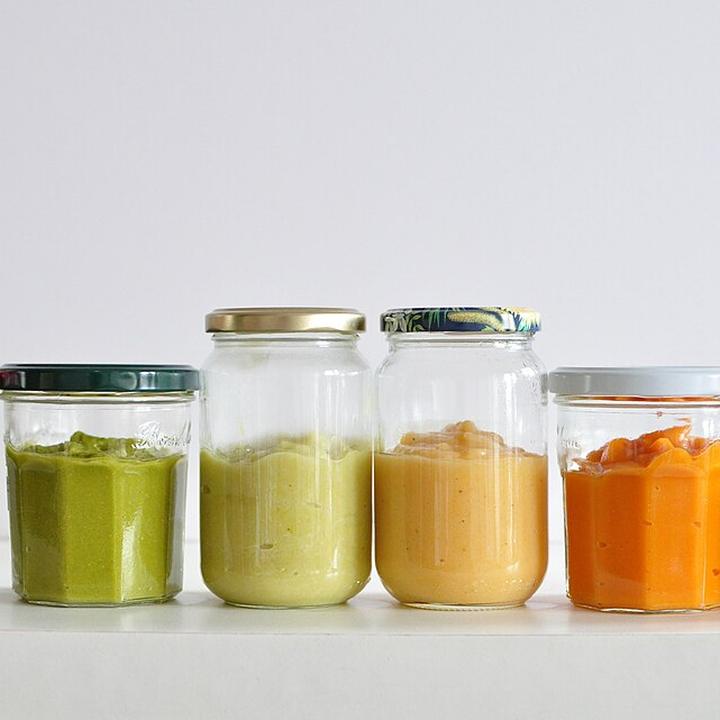
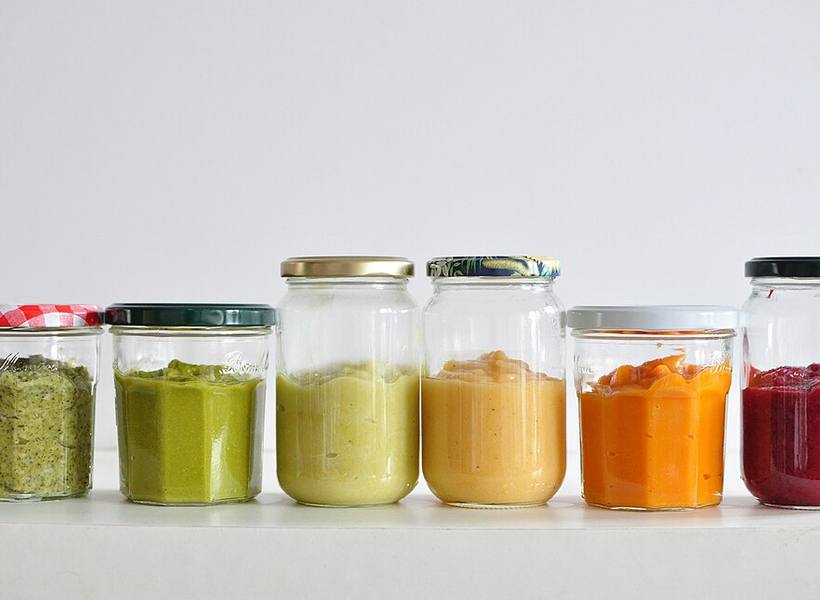
Smooth single- and mixed-ingredient purees and juices, made to Japan's low-additive standards.
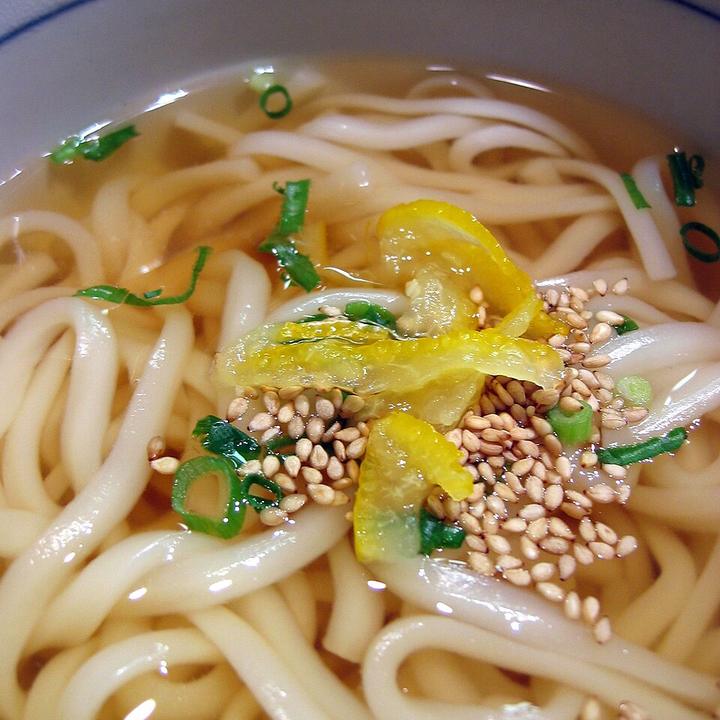
Soft, salt-reduced udon and somen cut short for infants — a Japanese weaning staple.
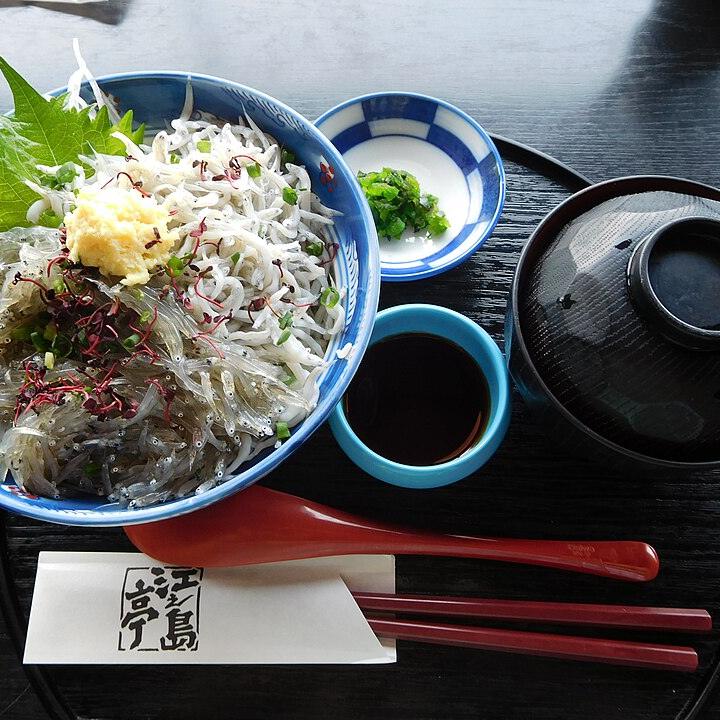
Soft, tender shirasu (whitebait) and flaked white fish — mild, calcium-rich protein cooked down for weaning meals.
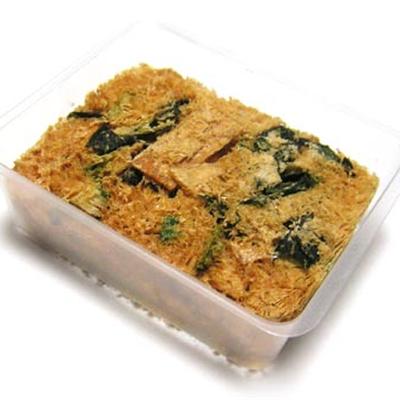
Just-add-water cubes and flakes — dashi, vegetables, and rice — for fresh meals with a long shelf life.
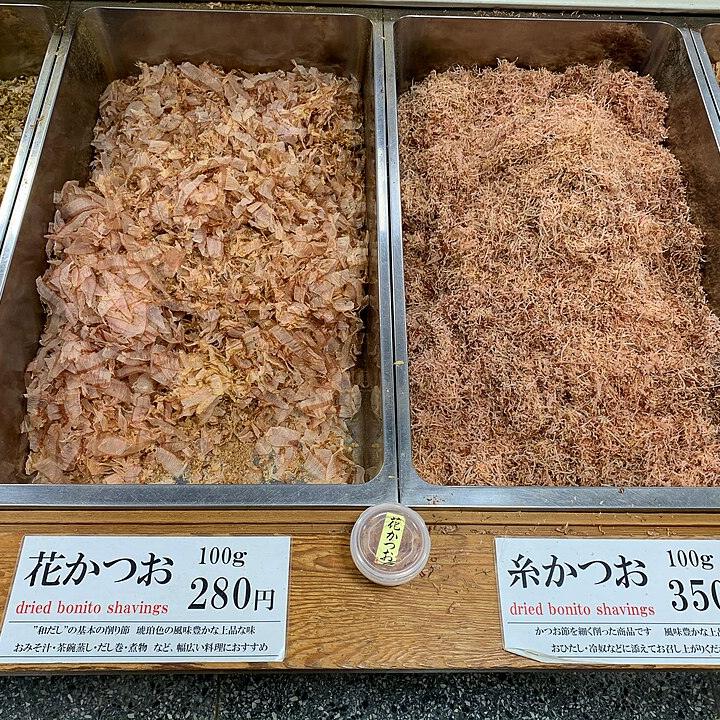
Low-salt, additive-conscious dashi and seasonings that build gentle umami into homemade baby meals.
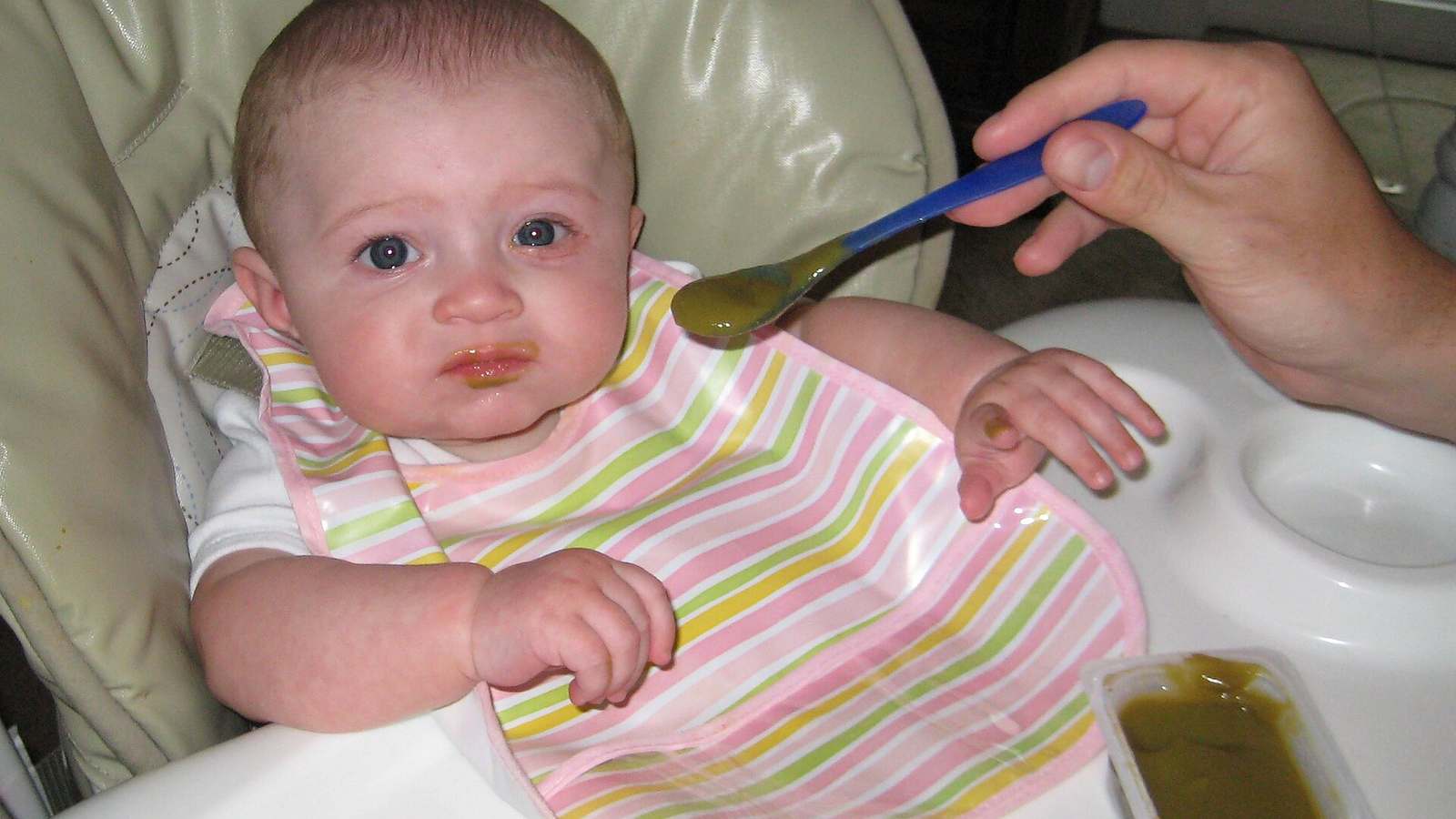
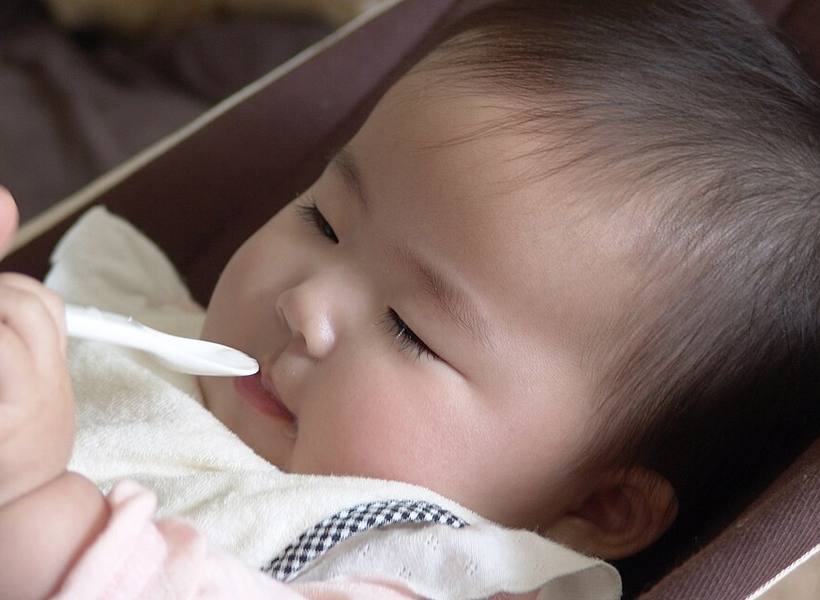
Baby-food photography via Wikimedia Commons — Baby feeding & first-meal tray © MIKI Yoshihito, katorisi; Rice porridge © Blue Lotus (CC BY 2.0); Silken tofu & rice crackers © DryPot (CC BY-SA 3.0 / CC BY 2.5); Vegetable purées © Frédérique Voisin-Demery (CC BY 2.0); Baby udon © udono (CC BY 2.0); Shirasu bowl © Miyuki Meinaka (CC BY-SA 4.0); Freeze-dried miso © Gleam (CC BY-SA 3.0); Katsuobushi © Stephan Ridgway (CC BY 2.0); Simmered pumpkin © Kentin (CC BY-SA 4.0); Corn potage © Syced (CC0).
Feeding stages
Japanese weaning (rinyūshoku) is organized into clear, gentle stages defined by a baby's age and chewing ability. Products are labeled by stage, which makes it simple for parents to choose and for retailers to merchandise a complete range — from the very first spoonful to toddler meals.
The "gokkun" (swallowing) stage — silky, single-ingredient purees and thin rice porridge for a baby's very first tastes.
The "mogumogu" (mashing) stage — soft mashed textures and more ingredients, including gentle proteins and vegetables.
The "kamikami" (gum-chewing) stage — chopped, finger-food textures that encourage self-feeding and chewing.
The "pakupaku" (toddler) stage — meals close to family food, lightly seasoned and easy for small hands.
What we source
Representative categories include stage-based rice porridge and tofu-based soft foods, baby snacks and purees, shirasu and soft fish, and freeze-dried meals — each with ingredient and allergen labeling and export documentation.
Why source baby food from Japan
Strict manufacturing controls, low salt and sugar, and careful ingredient sourcing built for infants.
Clear age and texture stages make it easy for parents to choose and for retailers to merchandise.
Established Japanese infant-nutrition brands with clean, transparent labeling and consistent quality.
Japan cuisine × BloomSource
In Japan, a baby's first foods are treated with the same care as any fine cuisine. Weaning — rinyūshoku — follows gentle, well-defined stages, from silky rice porridge to softly mashed vegetables and salt-reduced noodles. Recipes lean on natural dashi rather than heavy seasoning, and manufacturers are held to some of the world's most exacting safety standards, because nothing matters more than what a child eats first.
BloomSource helps parents beyond Japan share in that care. We source stage-based baby food from trusted producers, manage allergen labeling, food-safety documentation, and export logistics, and guide retailers and importers through assortment and compliance — so the reassurance of Japanese baby food can travel to families around the world.
Whether you are a supermarket building a baby aisle, a pharmacy chain adding infant nutrition, or a distributor serving Japanese and Asian grocery stores, we can assemble a range that fits your shelves and your market's rules — shelf-stable pouches and porridge that ship efficiently alongside our other pantry categories, with the paperwork handled end to end.
Sourcing & handling
Confirm target market, feeding stages, and product assortment.
Established infant-food makers with safety and quality certification.
Food-safety, ingredient, and allergen documentation for your market.
Destination-market ingredient and allergen label preparation.
Retail, pharmacy, and bulk export packaging.
Flexible minimums and planned lead times for repeat orders.
FAQ
We source first-stage rice porridge (okayu), tofu and soft foods, baby rice crackers and snacks, fruit and vegetable purees, soft baby udon and noodles, shirasu and soft white fish, freeze-dried baby meals, and low-salt baby dashi and seasonings — plus custom sourcing on request.
Japanese baby food is known for strict safety standards, low salt and sugar, and clean labels. We work with established manufacturers and prepare the food-safety, residue, and origin documentation your market and buyers require.
Yes. We prepare ingredient and allergen labeling to your destination-market standards, along with health documentation, and coordinate with customs brokers for smooth import clearance of infant and baby food.
Japanese baby food is organized by stage — typically from around 5–6 months (smooth), 7–8 months (mashed), 9–11 months (chopped), and 12 months and up (toddler) — and we can source across these stages to match your assortment.
Minimum order quantities depend on the product and manufacturer. We offer flexible MOQs for first orders and can consolidate baby food with other shelf-stable categories to build efficient shipments.
Start with a category brief